Clinical Need
Deadly Public Health Crisis of Opioid Overdoses
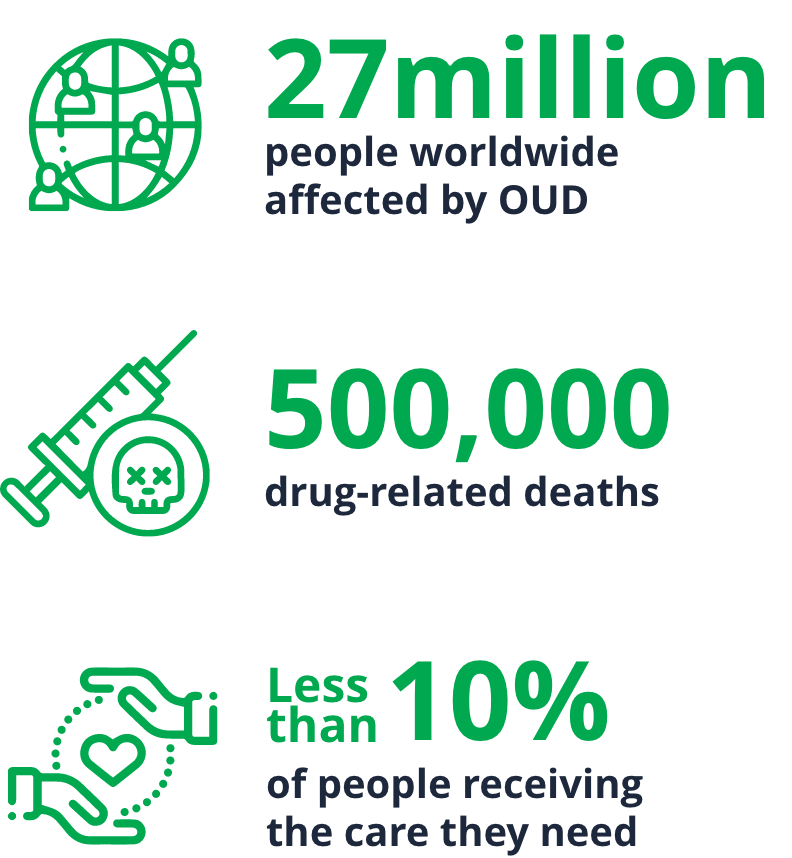
Opioid use disorder (OUD) affects 27 million people worldwide, with over 500,000 drug-related deaths to-date (>70% involving opioids).
The socioeconomic cost of OUD and fatal opioid overdoses is staggering, with 2021 being the worst on record in terms of fatal opioid overdoses.
Available treatment interventions remain inadequate, difficult-to-access, and fragmented, with less than 10% of people receiving the care they need.
The wish to avoid pain and physical discomfort experienced during withdrawal by those seeking to escape from chronic dependence on opioids serves as a major barrier to participation and retention in effective treatment programs for OUD.
Cost-effective withdrawal management is a gateway to effective OUD treatment.
Pain as a Global Public Health Priority
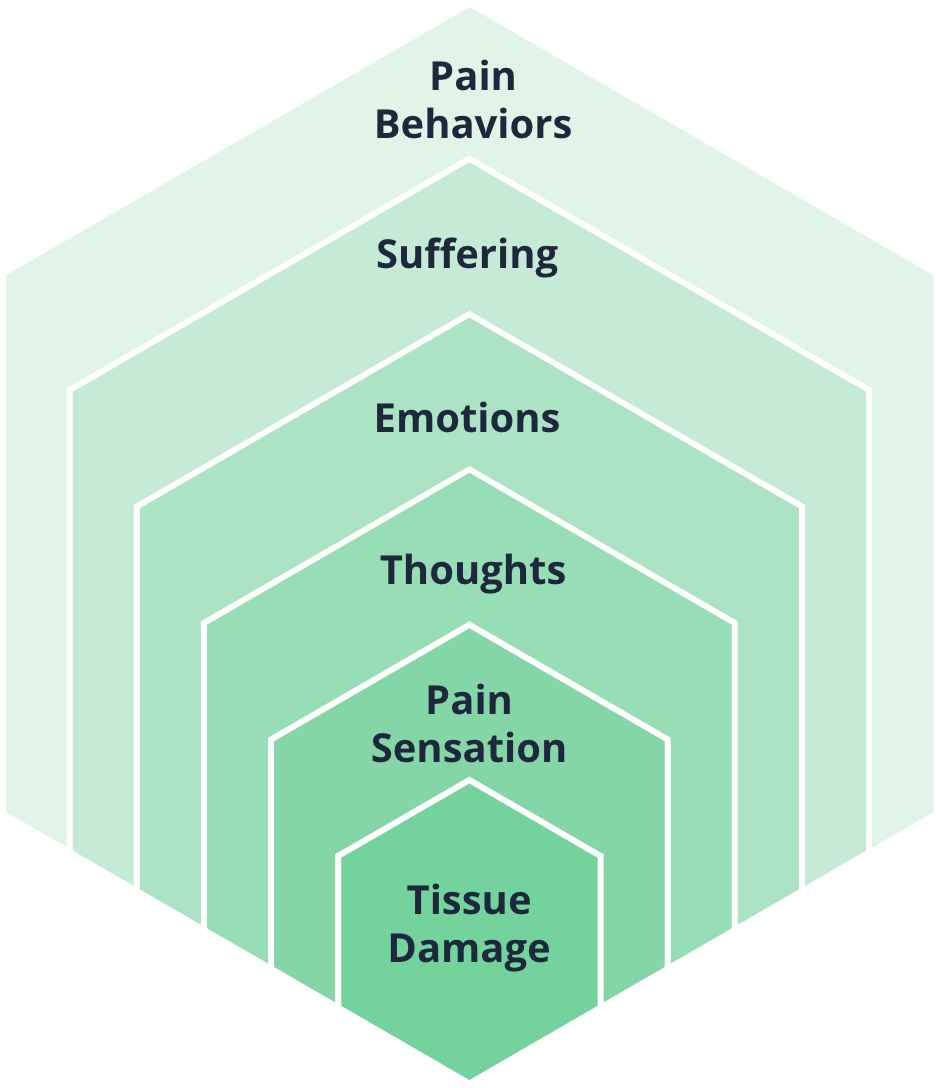
Globally, 1 in 5 adults suffer from pain and 10% (>60 million individuals) endure chronic pain, core component of OUD.
Chronic pain can have multiple, serious consequences including but not limited to depression, inability to work, disrupted social relationships and suicidal thoughts, contribute to opioid crisis.
The socioeconomic cost of pain conditions, including personal suffering, treatment cost, lost productivity, is enormous and growing.
Opioids and non-steroidal anti-inflammatory drugs (NSAIDs), the dominant pain treatment strategies, are inadequate and have various limiting side effects, especially with chronic use.
Alternative, safe and effective, non-opioid analgesic agents are urgently needed.